When scaling digital platforms, founders eventually face a structural bottleneck: their publishing tools can no longer support their multi-channel growth. Asking what is a headless CMS and understanding how it separates content management from frontend interface architecture is a critical prerequisite for building modern, high-performance software.
This guide explores the architectural divide between monolithic legacy platforms and headless content infrastructure. We will examine how decoupling your backend data from your presentation layer protects product velocity, reduces security vulnerabilities, and enables seamless content delivery across web, mobile, and custom digital interfaces.
What Is a Headless CMS? The Architectural Difference
To understand headless architecture, you must first examine traditional, monolithic content management systems like WordPress or Drupal. In a monolithic system, the backend database where editors write content is tightly coupled to the frontend templates that render code in a browser. The system stores text, processes logic, and generates layout HTML within a single, interdependent codebase.
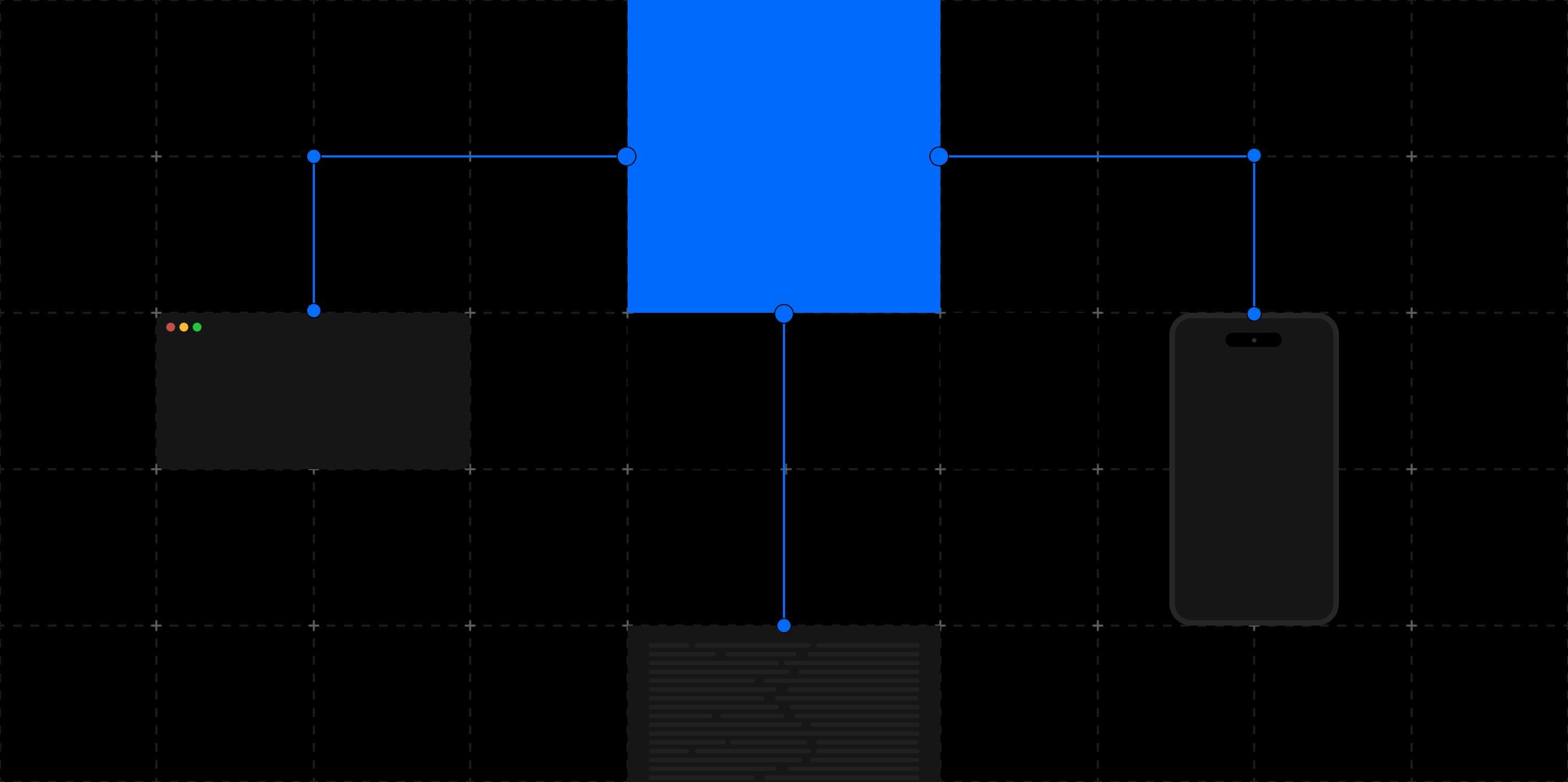
A headless CMS removes the presentation layer entirely. It provides a structured database and an administrative dashboard for content editors, but it makes no assumptions about how or where that content will be displayed. Instead of generating visual pages, a headless platform exposes structured content via APIs (REST or GraphQL).
When a user opens your digital platform, your frontend codebase requests the required content from the CMS API, receives structured data in JSON format, and renders it through modern interface architecture. The content management engine operates as an independent backend service, completely separated from your user-facing design.
Why Traditional Publishing Tools Break Under Scale
Monolithic publishing platforms were designed for a simpler digital era when organizations only needed to publish static text and images to a single desktop screen. When modern enterprises attempt to power complex digital systems with monolithic tools, several structural failures emerge:
Omnichannel delivery friction occurs immediately when an organization expands beyond a single screen. If your business launches an iOS application, a customer portal, or an interactive terminal, a monolithic CMS cannot natively push content to those devices. Engineering teams end up building brittle custom scrapers or duplicating content across multiple platforms, which introduces severe synchronization errors.
Performance degradation is an unavoidable consequence of monolithic processing. Traditional systems execute database queries and compile layout templates on every single page request. As traffic volume grows, server response times spike. This latency directly degrades Core Web Vitals and erodes customer conversion rates, regardless of how heavily you invest in server caching.
Elevated security risk stems from exposing the administrative database directly to public traffic. Because the backend admin interface and the frontend user display live on the same server architecture, any vulnerability in a third-party visual theme or plugin threatens the entire database. Security patches require constant maintenance, and database lockouts paralyze public user access.
The Business Advantages of Headless Infrastructure
Transitioning from a monolithic publishing tool to decoupled content infrastructure transforms content management from a maintenance liability into a strategic growth asset.
Unconstrained frontend performance is achieved by pairing a headless CMS with modern frontend frameworks like Next.js. Because presentation logic is completely decoupled from database operations, your platform can pre-render static assets at build time or serve data through global edge networks. Pages load in milliseconds, creating smooth user experiences that maximize revenue conversion.
Future-proof multi-channel distribution allows your editorial team to create structured data once and distribute it everywhere simultaneously. A single product description or compliance policy stored in your headless backend can instantly populate your web platform, your native mobile applications, and your automated customer support channels without manual duplication.
Ironclad security boundaries protect your proprietary business data by isolating your administrative backend from the public internet. The CMS database resides on a restricted server domain accessible only to authenticated editorial staff. Public users only interact with static edge servers or read-only API endpoints, eliminating SQL injection vectors and brute-force administrative attacks.
Independent team velocity removes the friction between content editors and software developers. Marketing and editorial teams can modify structured content workflows and launch promotional campaigns independently within the dashboard. Simultaneously, engineering teams can refactor frontend code or deploy interface experiments without risking database corruption or editorial downtime.
The Next Evolution: Unifying Headless Backend and Frontend in One Platform
Early headless architectures introduced a new operational challenge: while they liberated the presentation layer, they forced engineering teams to deploy and host two separate application servers (one for the content API and one for the frontend website). That separation introduced network latency and complicated deployment pipelines.
Modern headless platforms like Payload CMS v3 solve this friction by natively integrating directly into the Next.js App Router. Instead of communicating across external HTTP networks, the content management backend and the frontend interface merge into a single, cohesive software deployment.
This unified platform architecture provides three major engineering advantages for scaling businesses:
Zero network latency between data and display occurs because Next.js Server Components query the content database directly in memory. Pages render instantly without waiting for round-trip API calls over the public internet, maximizing site speed and search engine visibility.
End-to-end TypeScript safety guarantees that any change to a content field schema immediately updates the interface types across the entire application. If an editorial workflow requires a new field, developers catch visual discrepancies during the code build process rather than discovering broken layouts in production.
Simplified infrastructure hosting consolidates your deployment footprint. Rather than maintaining separate server clusters for content management and presentation, your entire digital platform deploys as a unified application on modern edge networks. You retain the architectural purity of headless data separation without the operational overhead of managing dual servers.
Is your content platform keeping pace with your product roadmap?
Share where your product is heading. We will identify the content architecture decisions that matter most at your current stage.
What Is a Headless CMS Migration Strategy? When Founders Should Switch
Adopting a headless content platform is an engineering investment that should align with clear operational inflection points. You do not need decoupled content infrastructure to publish a simple landing page, but failing to migrate when your architecture demands it will severely constrain your engineering team.
You should plan a headless architecture migration when you encounter any of these operational signals:
When expanding across multiple digital channels. If your product roadmap includes native mobile applications, partner portals, or IoT integrations that must draw from a unified content repository, a headless API architecture is mandatory.
When legacy performance bottlenecks hurt acquisition. If your monolithic platform suffers from slow server response times that depress search engine rankings and increase user bounce rates, decoupling your presentation layer is the most reliable engineering framework for restoring top-tier speed.
When security requirements demand strict isolation. If your platform handles sensitive customer financial data or healthcare records, isolating your content management dashboard from your public transaction infrastructure is essential for regulatory compliance.
When team coordination slows development velocity. If your developers cannot deploy interface improvements without risking editorial overrides, or if content updates require engineering code deployments, your business has outgrown monolithic tools.
Frequently Asked Questions

Nicholas Khoury
Lead Backend EngineerNicholas is a Lead Backend Engineer at BehindPixels. He designs scalable API ecosystems, cloud-native infrastructure, and data pipelines for platforms operating under real-world demand. His focus is building secure, maintainable backend systems engineered for long-term operational growth.